
Deciding what to replant first
· 4 min read · By the Plantation Monitoring team
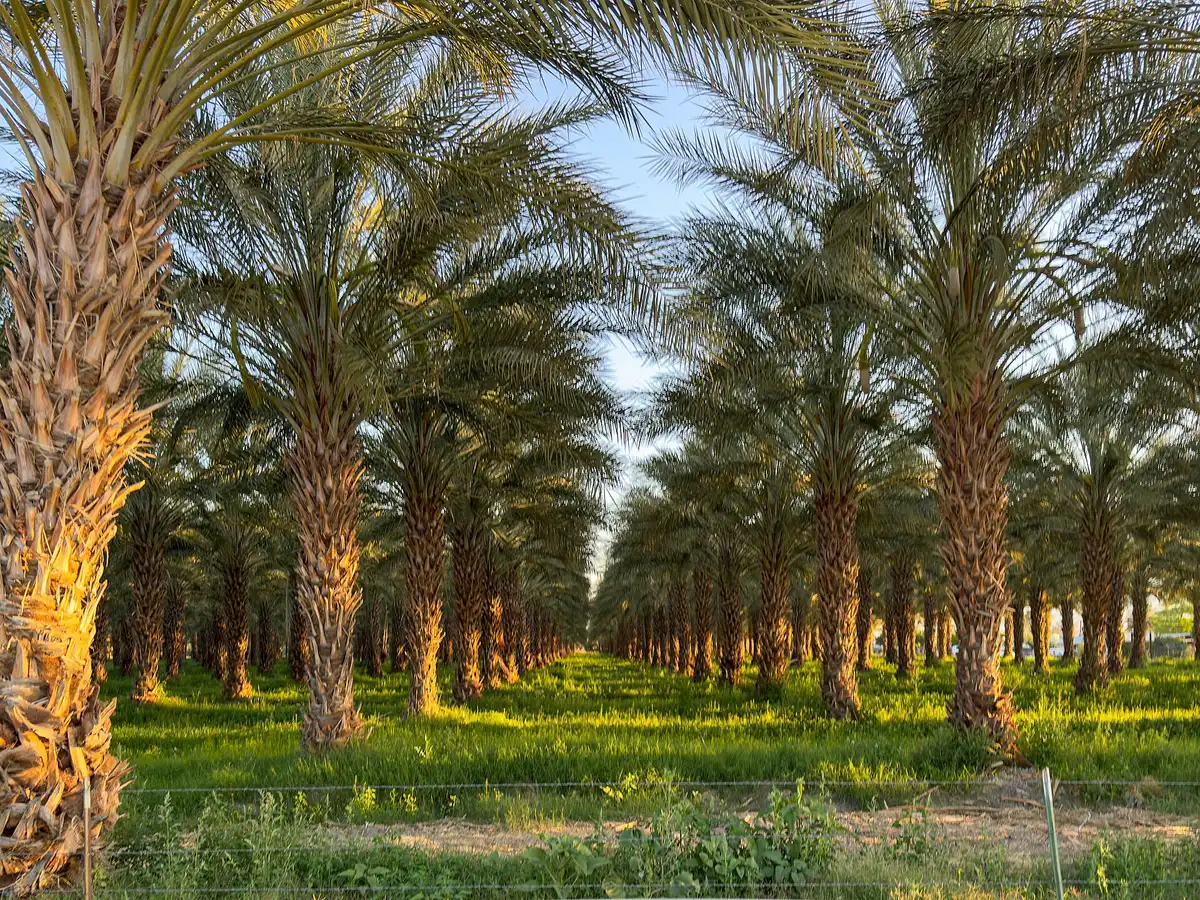
Replanting is one of the biggest spending decisions on a tree-crop estate, and the cost is felt for years before the new trees pay back. A short list of measurements makes the decision calmer.
1. Stand count against planting density
Compare the number of standing trees with what the block was planted to hold. A block with many gaps has lost yield potential even if the remaining trees look healthy, and infilling may beat a full clearance.
2. Age against the crop's productive life
Every crop has a typical productive life, and for oil palm it is commonly around twenty-five years. Blocks approaching the end of that life, or beyond it, are natural candidates. Take the figure for your crop and variety from a reliable source, not from memory.
3. Yield and health trend
One bad season is weather. A steady fall in yield per tree, backed by a worsening health trend across several satellite dates, is a pattern. Look for both.
4. Disease and damage
A block with a spreading disease, or heavy damage from fire or flood, may need action sooner than its age suggests. Scouting records matter more than imagery here.
5. Cost and time to first yield
Include removal cost, planting cost and the years before the new trees bear. Time to first yield differs a lot between crops, so the answer for citrus is not the answer for oil palm.
Plantation Monitoring brings the first four measurements together by block and uses crop-specific cycle and cost inputs for the budget, so you can rank blocks and see the reasons. The ranking is a guide for your agronomist and finance team, not a substitute for them.